
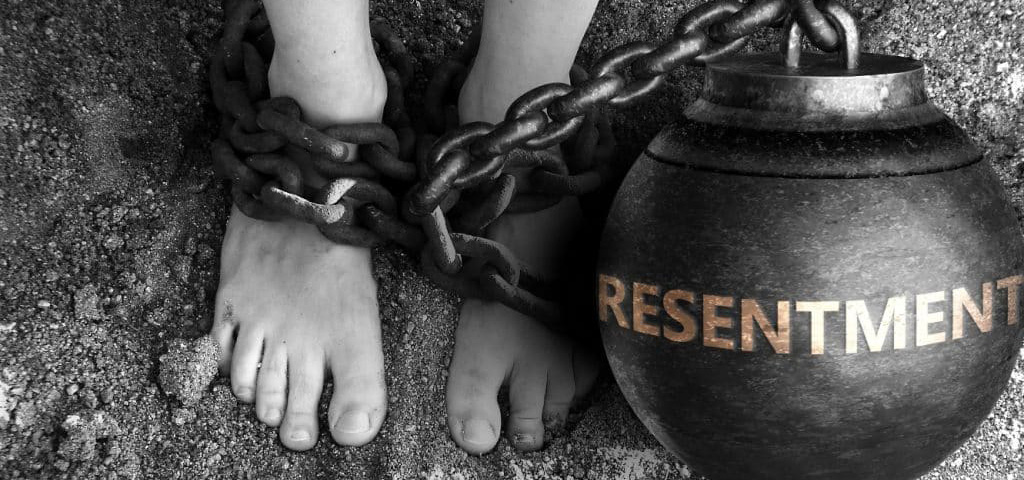
Resentments Are Not Good for Your Health
Based on his public statements and actions over several years, it is clear that Donald Trump holds deep and sustained resentment toward James Comey. Trump has used his social media platform to repeatedly and publicly demand that the Justice Department prosecute Comey. To be fair, I don’t know enough about their dispute to claim it is not justified. However, it is not just Comey. Public statements and actions by Donald Trump have consistently demonstrated a strong focus on resentment, grievance, and a stated desire for retribution against a wide range of individuals and institutions he views as disloyal.
When you resent someone, you are reliving an offense that injured you in the past. Resentment is a complex emotion that arises when you feel that you have been treated unfairly and are unable to do anything about it. Although you may also feel depression, hopelessness, or anger, resentment is distinct from these emotions.
You might experience emotions like a persistent sense of being wronged, feelings of bitterness when thinking about certain people, a sense that life or others have treated you unfairly, or anger that does not seem to fade with time.
You might notice yourself replaying past hurts repeatedly in your mind, pulling away from relationships, or having trouble moving forward from past events. Resentful people hold on to grievances that only grow their need for revenge.
Resentment is physically damaging. Your body might experience a racing heart, increased stress, sleep difficulties, and exhaustion. Long-term resentment may contribute to serious health problems, including gastrointestinal issues, cardiovascular problems, and chronic pain. Research suggests that chronic stress related to not forgiving others can accelerate aging and negatively impact your immune system.
Resentment can be a logical reaction to certain situations, but it’s rarely healthy. Despite its harmful effects, many people hold onto resentment because it can create an illusion of control when we feel powerless in a situation. It offers an alternative to difficult conversations we would rather avoid. It allows us to maintain a sense of moral righteousness. Some people use it to evoke guilt in others. It enables staying in a victim role, avoiding responsibility for change.
So, what can you do to rid yourself of resentment? Forgiveness is the most powerful tool. Other strategies include maintaining physical distance and letting time pass. Instead of dwelling on the past, focus on other problems, learn new things, and make personal efforts to move forward. Develop gratitude. Resentment and gratitude are opposites of each other; the more grateful someone is, the less resentful they tend to be.
How can Trump let go of his resentment? His advisors could attempt to neutralize the intense emotional charge of the grievance, reframing the conflict from personal betrayal to a political or institutional disagreement that has run its course. Ultimately, resentment is a burden, not a tool for vengeance.